
Classical
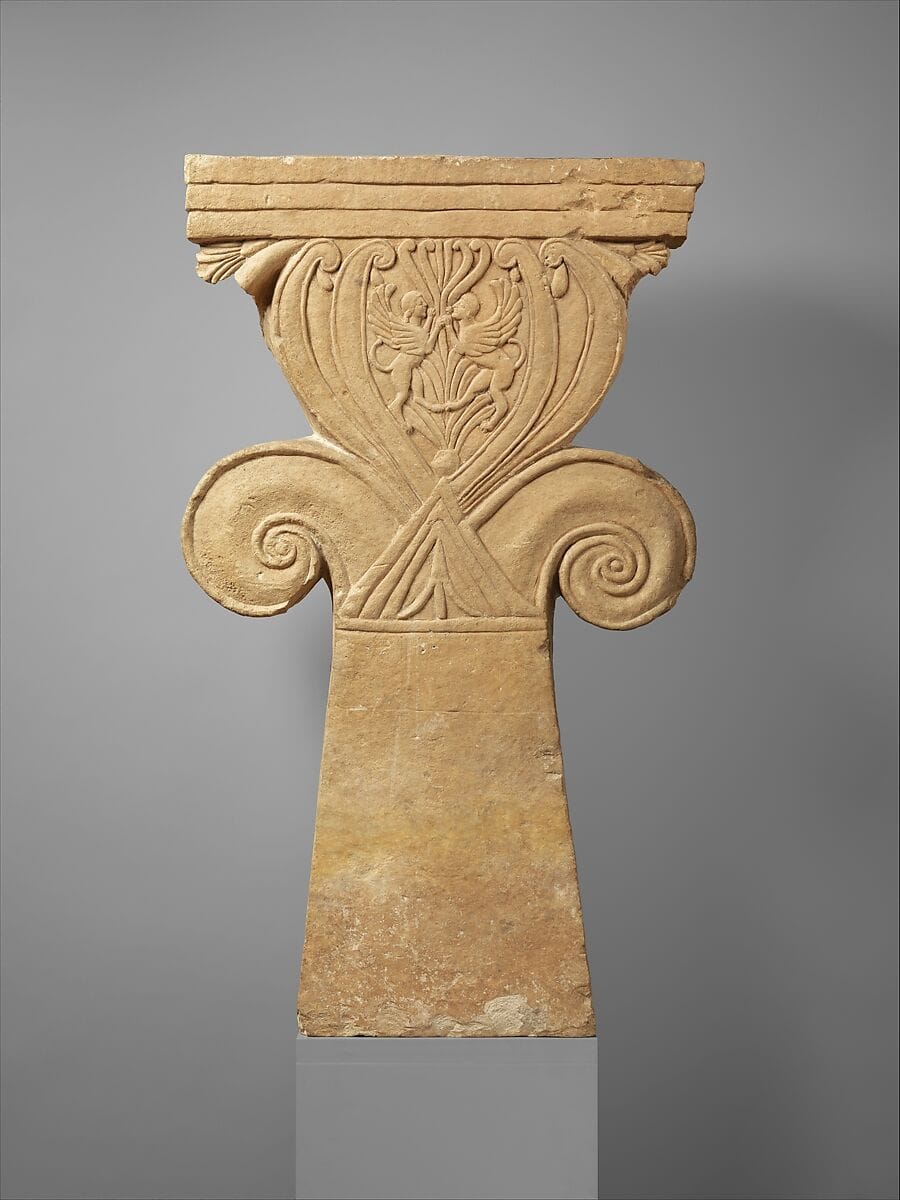
Limestone funerary stele (shaft) with a "Cypriot capital"
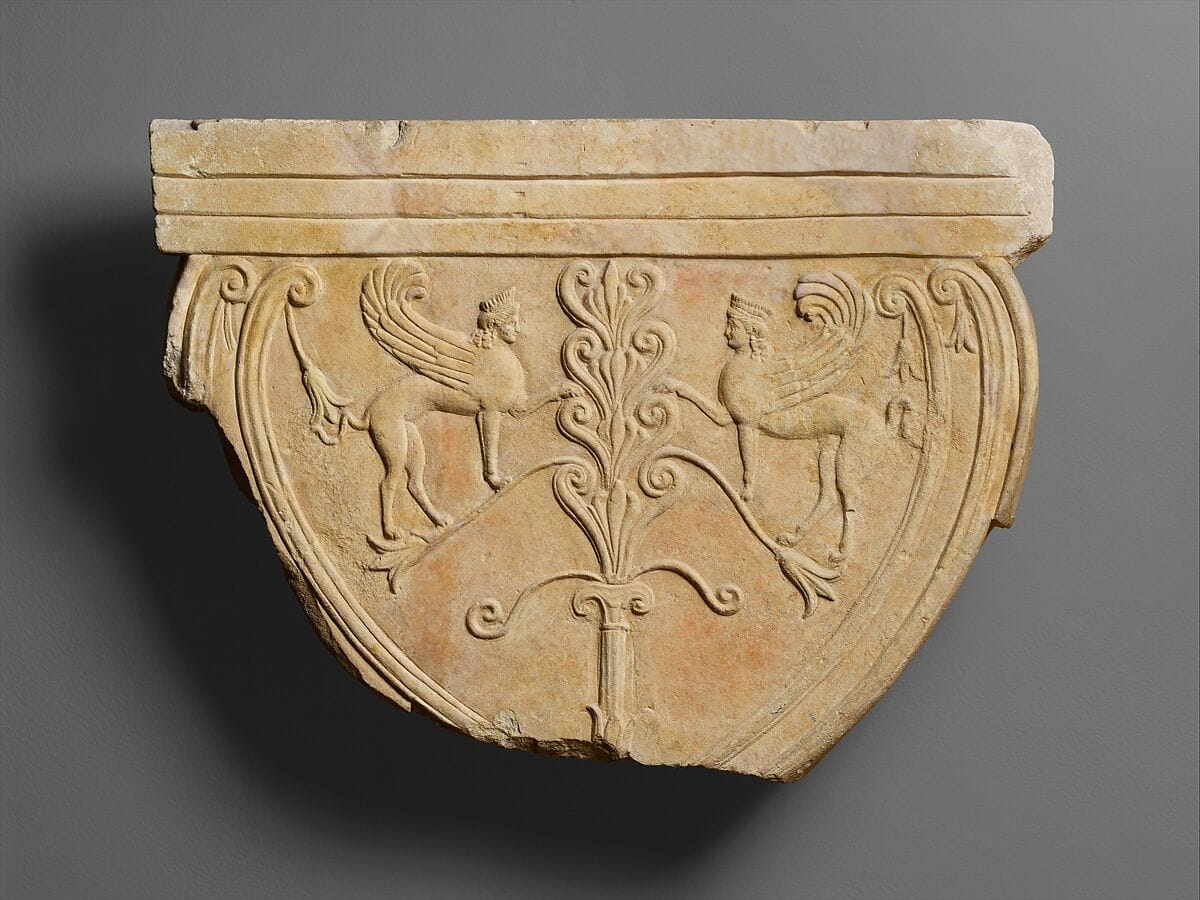
Rectangular shafts topped by capitals such as this were carved on Cyprus from the seventh through the fifth centuries B.C. Most come from Golgoi or Idalion. The capital is composed of several motifs that were well known in the eastern Mediterranean world. An Aeolic capital, marked by two volutes emerging from a triangular base, serves as support for two pairs of curving fronds between which rises a "tree of life" flanked by sphinxes. The Aeolic-style capital derived from floral motifs that go back in date to the Bronze Age. The earliest known stone capitals of this type date to the tenth to ninth century B.C. and were found in Palestine. They were apparently influenced by Phoenician examples, and it may well have been the Phoenicians who brought the motif to Cyprus. The symmetrical, stylized "tree of life" motif also originated in the Bronze Age and was used in a wide variety of media throughout the eastern Mediterranean area. Both motifs have connotations of fertility and the renovation of nature. Overall: 54 x 32in. (137.1 x 81.3cm)
Classification
- Object type
- Relief
- Period
- Iron AgeCypro-Classical
- Date
- 499 - 400 BC
- Place of production
- Cyprus
- Findspot
- Golgoi
Collection
Provenance
- From the necropolis of Golgoi
References
- Cesnola, Luigi Palma di. 1877. Cyprus: Its Ancient Cities, Tombs, and Temples. A Narrative of Researches and Excavations During Ten Years' Residence in That Island. p. 117, London: John Murray.Cesnola, Luigi Palma di. 1885. A Descriptive Atlas of the Cesnola Collection of Cypriote Antiquities in the Metropolitan Museum of Art, New York, Vol. 1. pl. XCIX.671, Boston: James R. Osgood and Company.Perrot, Georges and Charles Chipiez. 1885. Histoire de l'Art dans l'Antiquité. t. 3, Phénicie, Cypre. p. 215, fig. 152, Paris: Hachette.Myres, John L. 1914. Handbook of the Cesnola Collection of Antiquities from Cyprus. no. 1418, New York: The Metropolitan Museum of Art.Mercklin, Eugen von. 1962. Antike Figuralkapitelle. no. 65, p. 21, fig. 89, Berlin: W. de Gruyter & Co.Harden, Donald B. 1980. "A Hellenistic Footed Glass Bowl of Alexandrian Workmanship." Museum News, The Toledo Museum of Art, 22.2: pp. 185, 187, pl. 46.Karageorghis, Vassos, Joan Mertens, and Marice E. Rose. 2000. Ancient Art from Cyprus: The Cesnola Collection in The Metropolitan Museum of Art. no. 347, pp. 216-7, New York: The Metropolitan Museum of Art.Karageorghis, Jacqueline. 2005. Kypris: the Aphrodite of Cyprus: Ancient Sources and Archaeological Evidence. pp. 168-69, fig. 176, Nicosia, Cyprus: Foundation Anastasios G. Leventis.Petit, Thierry. 2006. "“Oedip et le Chéubin”." Kernos: Revue internationale et pluridisciplinaire de religion grecque antique, 19: p. 326 n 47.Picón, Carlos A. 2007. Art of the Classical World in the Metropolitan Museum of Art: Greece, Cyprus, Etruria, Rome no. 296, pp. 255, 465, New York: The Metropolitan Museum of Art.Hermary, Antoine and Joan R. Mertens. 2013. The Cesnola Collection of Cypriot Art : Stone Sculpture. no. 472, pp. 338-39, Online Publication, New York: The Metropolitan Museum of Art.
Identifiers
- Accession no.
- 74.51.2493, Metropolitan Museum of Art
- In catalogues
- Myres 1914, no. 1418
- Mercklin 1962, no. 65
- Karageorghis 2000, no. 347
- Hermary 2013, no. 472
Corrections and additions
Do you know this object?
We are always looking for more of an object's history: who owned it, where it was sold or shown, and where it was published.
We would like to hear about
- Earlier owners, sales or exhibitions
- Publications that illustrate or mention it
- Where it is now, if it has moved
- Better photographs, or a close parallel
- A mistake in what we say about it
Messages are read by us alone and kept confidential, unless the law requires otherwise. Tell us if you would like to be thanked by name on the page.
Similar pieces
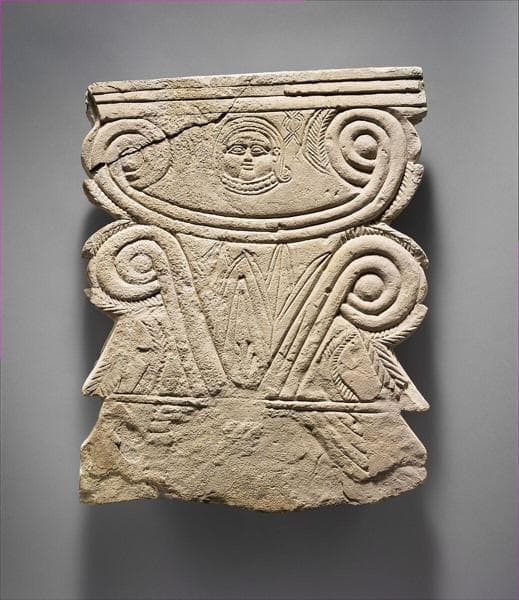 Limestone funerary stele with volutes and a Hathor headMetropolitan Museum of Art
 Relief, fragmentSalamis
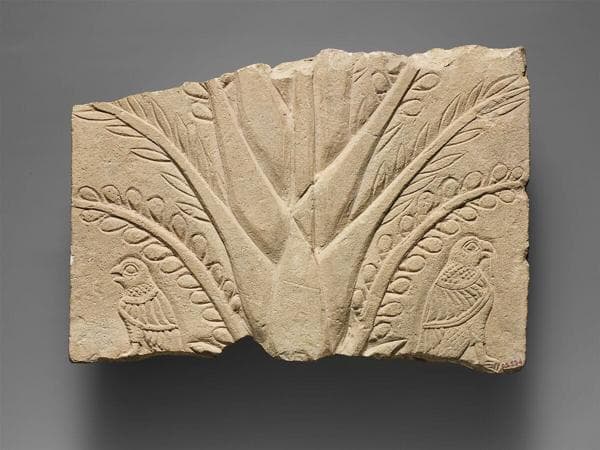 Fragment of a limestone relief with a tree and birds of preyMetropolitan Museum of Art
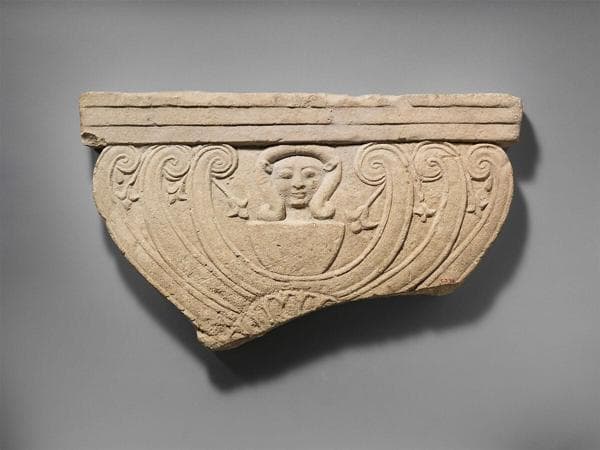 Limestone finial of a funerary stele with volutes and the head of HathorMetropolitan Museum of Art
 Limestone Palmette StelaBritish Museum
 ReliefSalamis
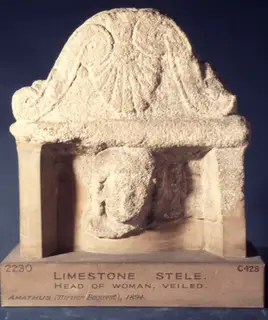 StelaBritish Museum
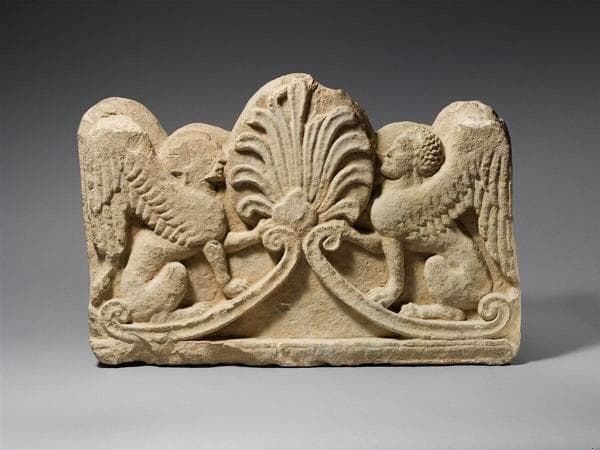 Limestone grave relief with two sphinxesMetropolitan Museum of Art
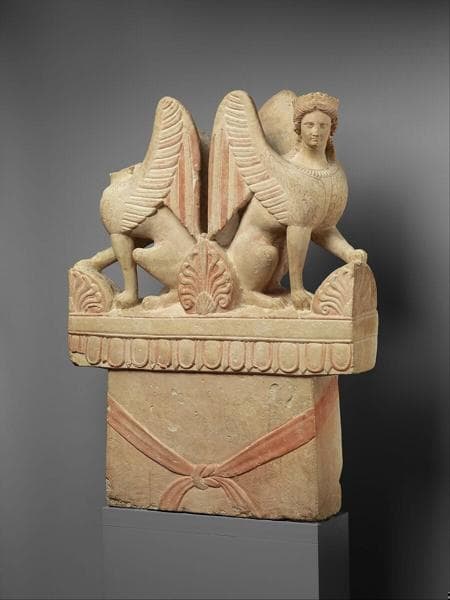 Limestone funerary stele (shaft) surmounted by two sphinxesMetropolitan Museum of Art
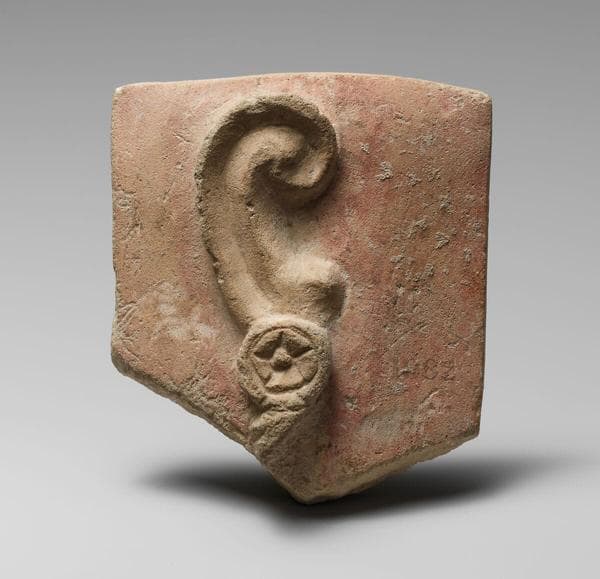 Stone votive relief of an ear with earringMetropolitan Museum of Art
More from the Catalogue
Browse related objects
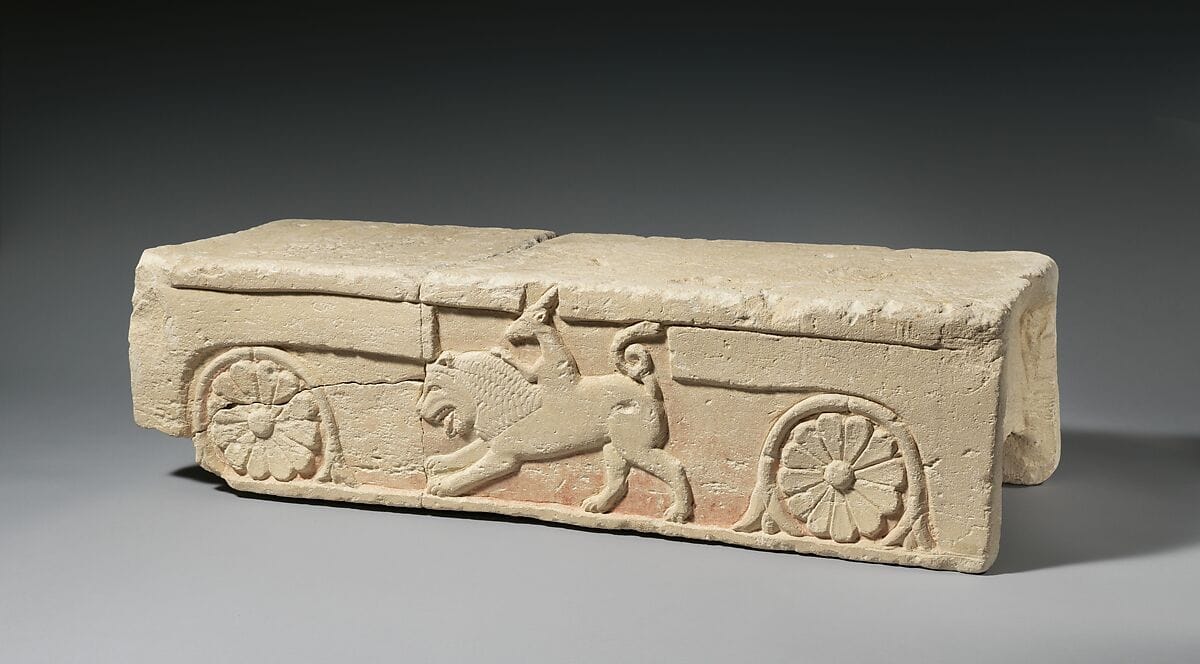
Limestone footstool
Archaic II
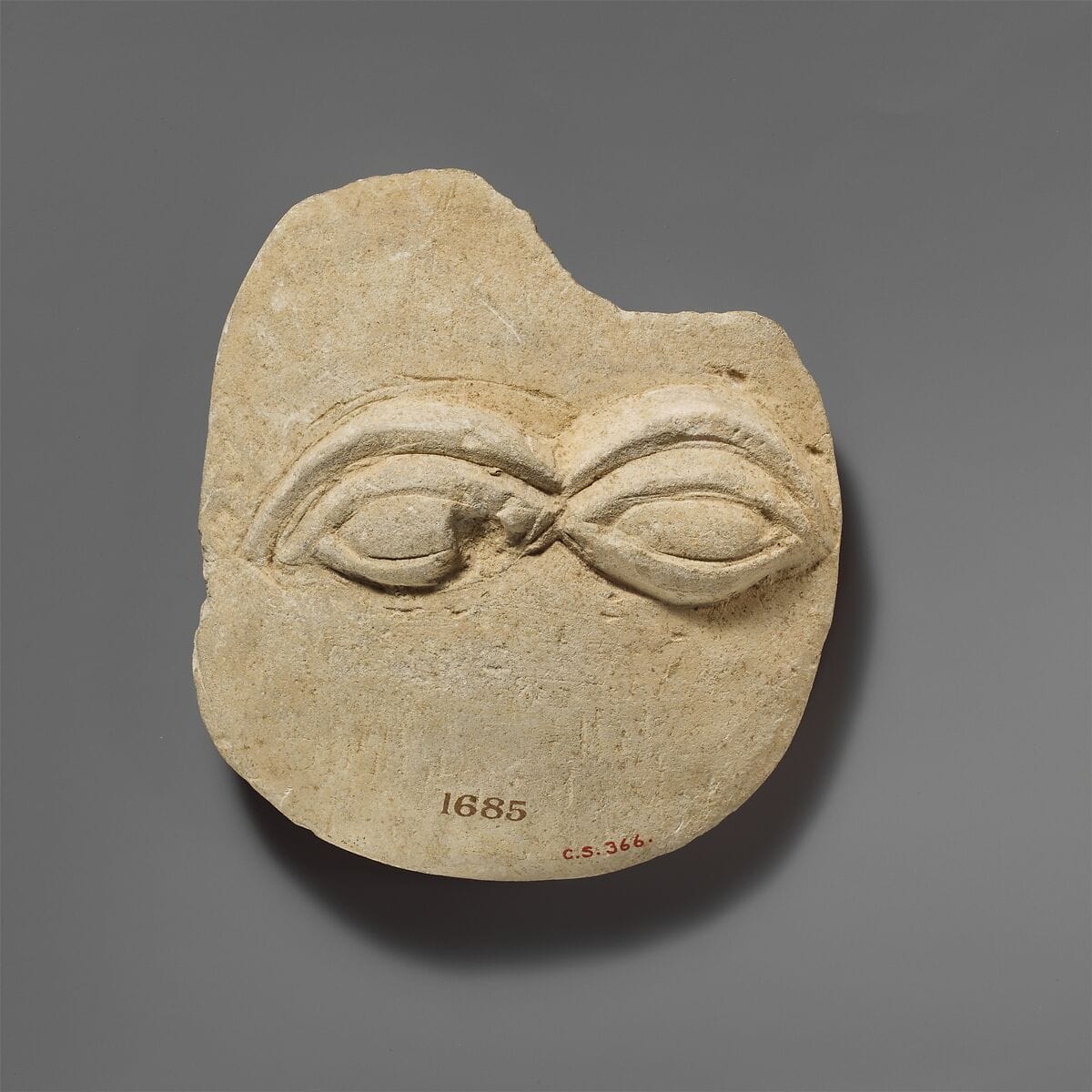
Limestone plaque with two eyes in relief
Classical
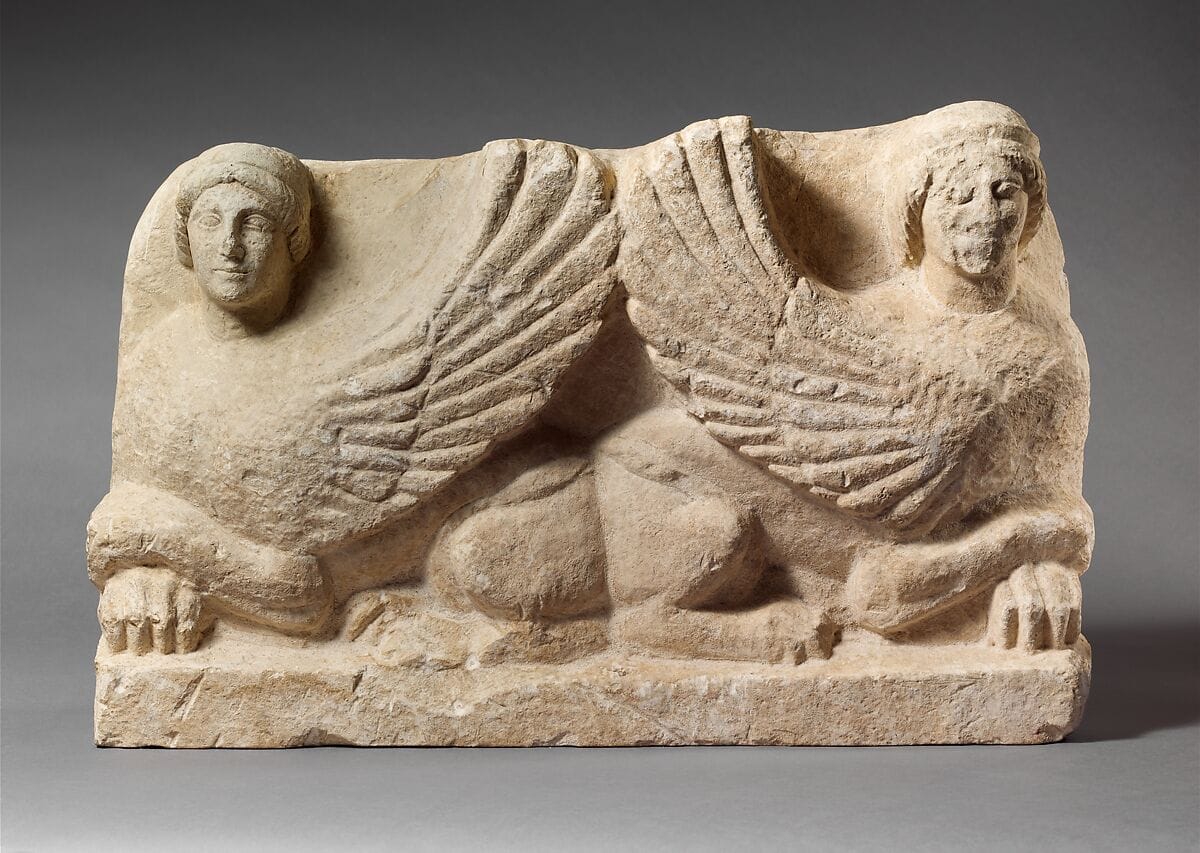
Limestone funerary stele with antithetical sphinxes
Classical
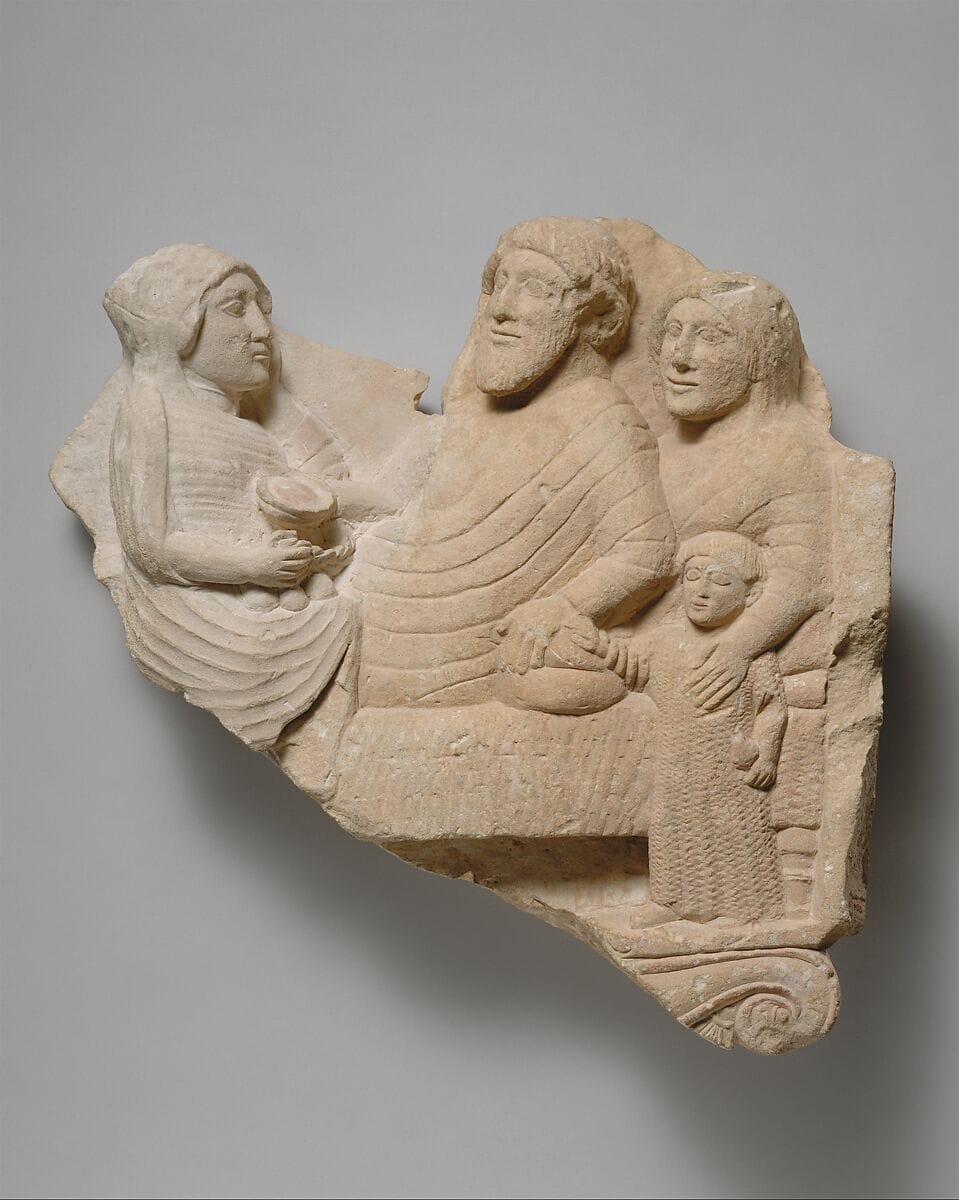
Fragment of a limestone grave relief with a banquet scene
Classical

Fragment of a limestone funerary stele with a recumbent lion
Classical

Limestone finial of a funerary stele with a recumbent lion and a banquet scene
Classical

Limestone grave marker
Classical
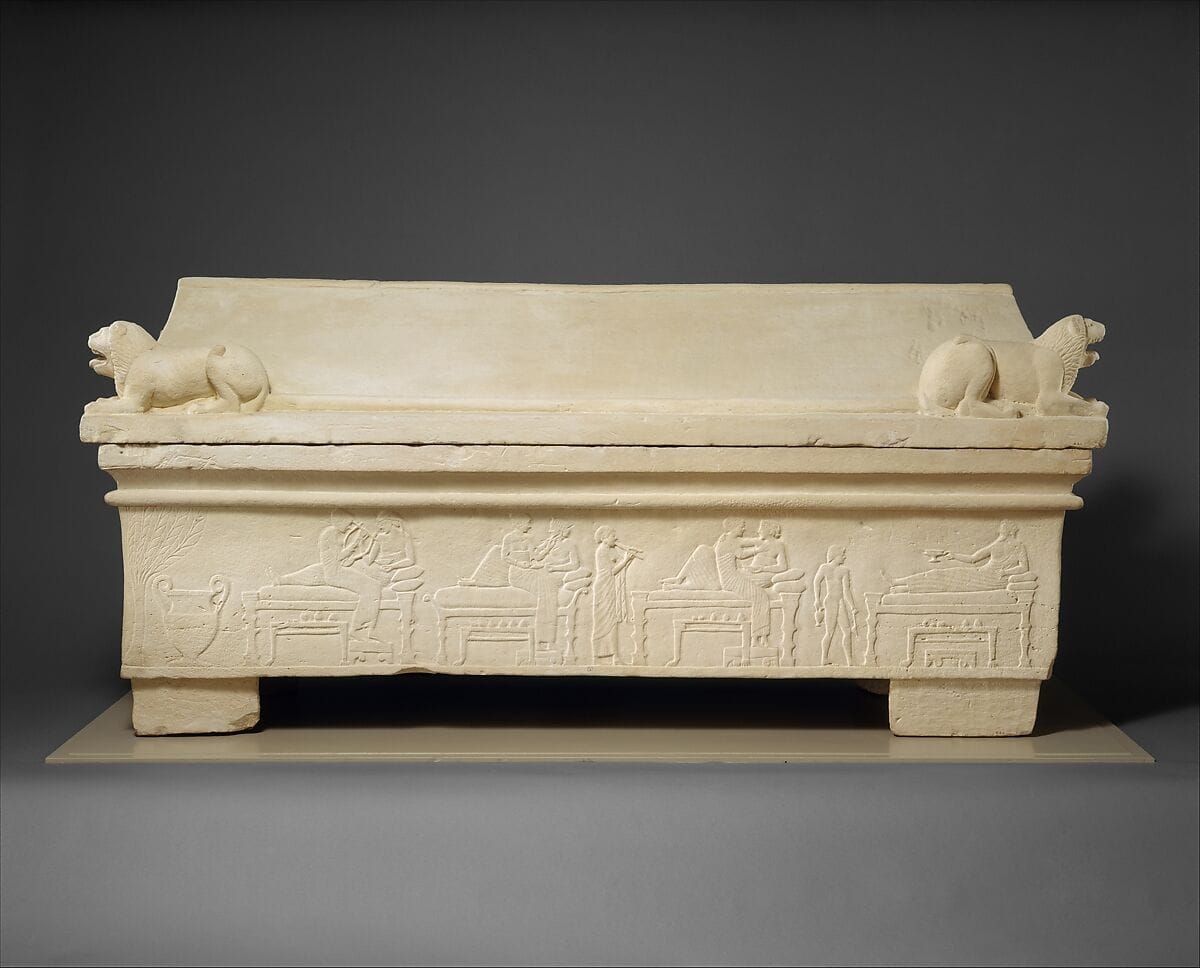
Limestone sarcophagus
Classical

Limestone grave marker
Classical

Limestone plaque with two eyes
Classical

Limestone altar
Archaic II
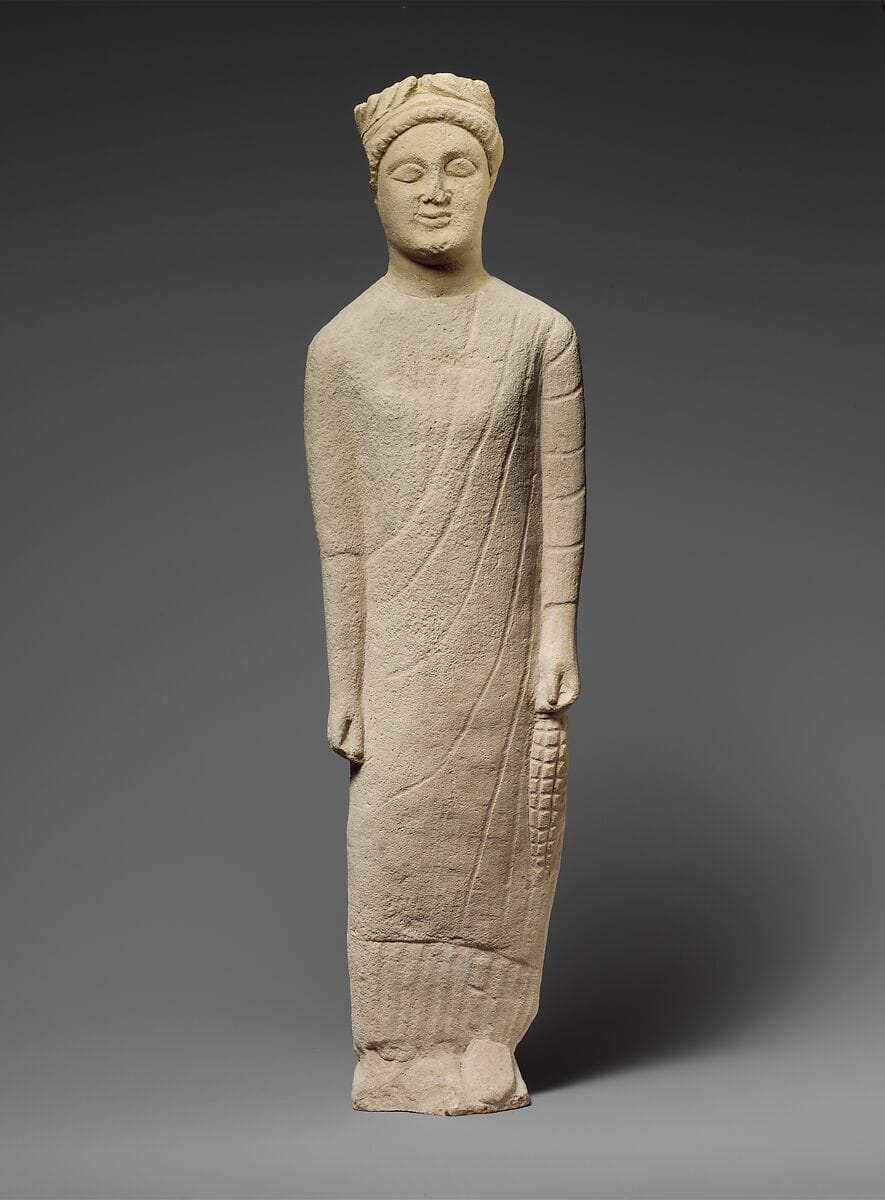
Limestone statuette of a beardless male votary with a wreath of leaves
Classical
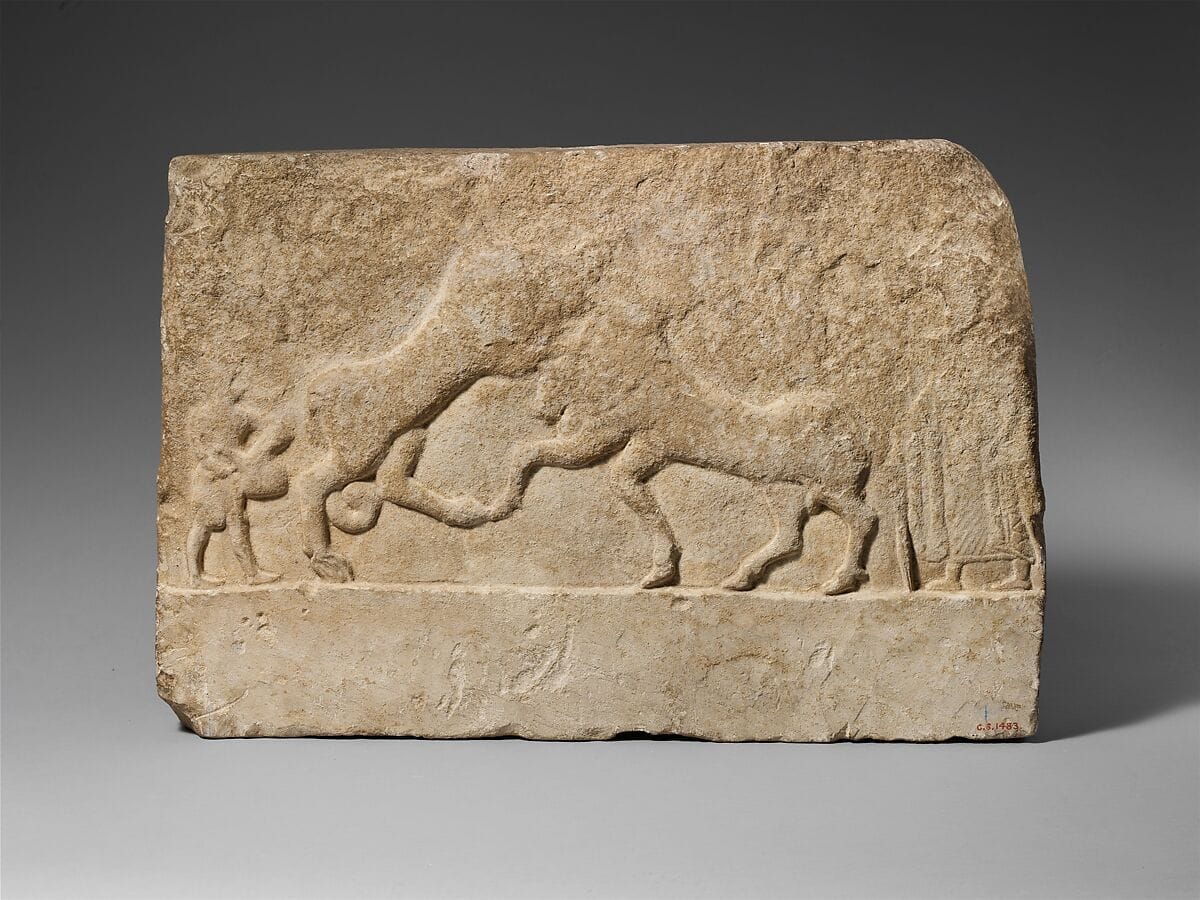
Limestone votive relief with a lion killing a bull and two human figures
Archaic II
Fragmentary limestone Cypriot capital
Classical
Fragment of a limestone naiskos (?)
Classical
Horse and rider figurine
Archaic II
Seated female figurine of the dea gravida type
Archaic II
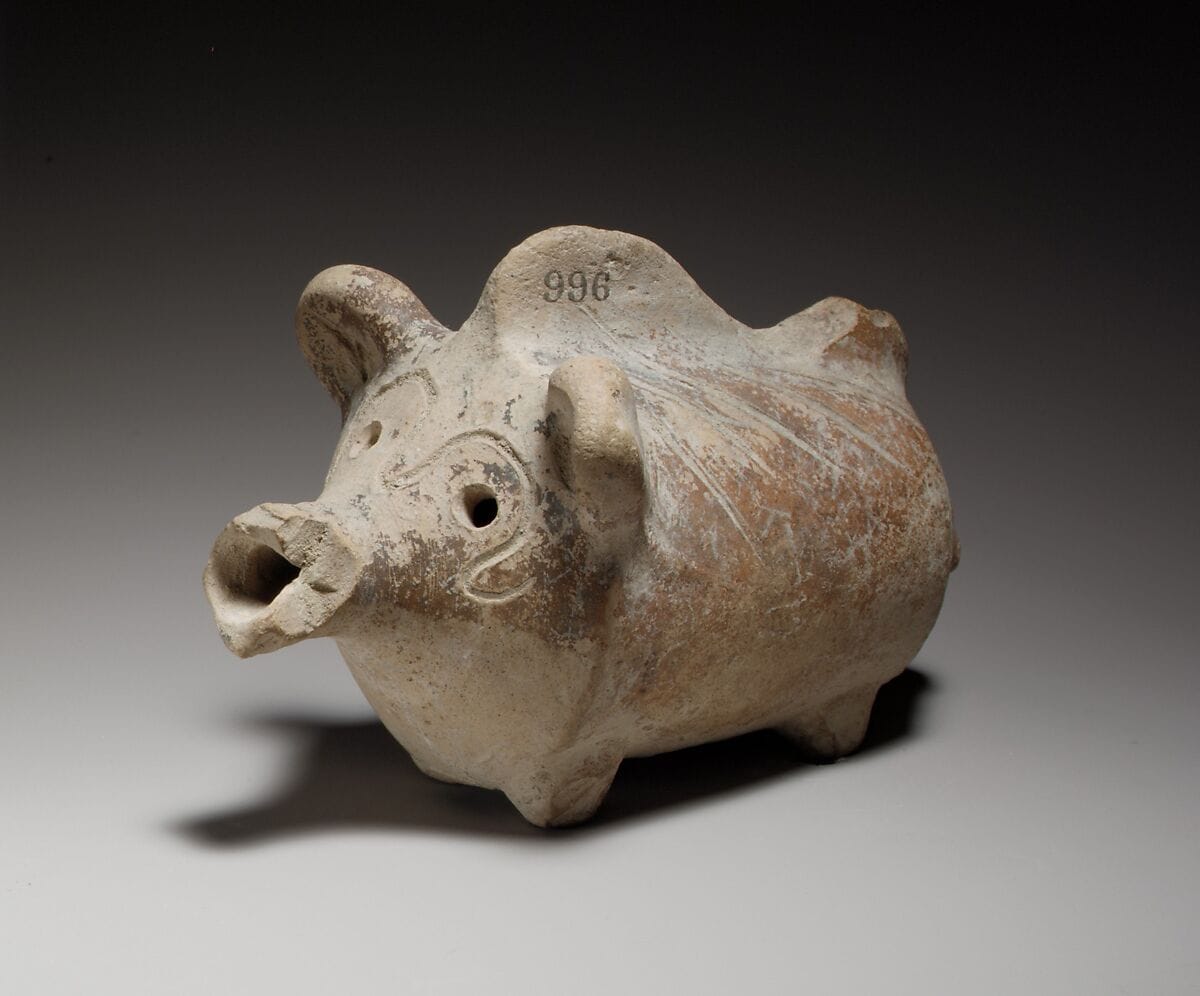
Terracotta rattle in the form of a pig
Hellenistic